
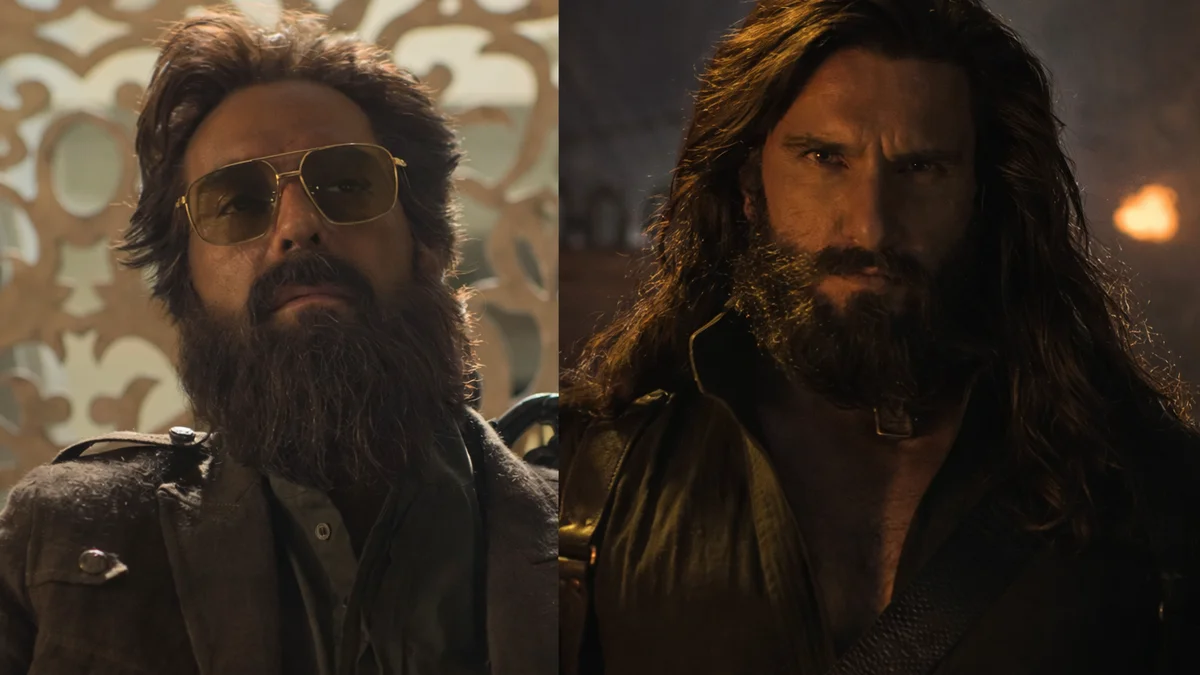
For a film that was expected to be just another big-screen spectacle, Dhurandhar has turned into something far more layered. Headlined by Ranveer Singh and helmed by Aditya Dhar, the film is being talked about not just for its scale or performances, but for the conversations it has sparked.
It’s not often that a mainstream Bollywood film finds itself at the centre of political debates, social media discussions, and public discourse all at once. But Dhurandhar has managed to do exactly that.
When a Film Becomes a Conversation
What stands out about Dhurandhar is how naturally it moved beyond cinema halls into everyday conversations. From Twitter threads to TV debates, people aren’t just reviewing the film—they’re reacting to it.
Some political voices have criticised it, calling it propaganda or suggesting it leans too heavily into a certain narrative. At the same time, many viewers feel that this reaction itself shows how strongly the film has connected.
Director Aditya Dhar, who previously delivered Uri: The Surgical Strike, seems to once again have tapped into a space where cinema and public sentiment overlap.
The Propaganda Debate, Seen Differently
The word “propaganda” has come up repeatedly in discussions around Dhurandhar. But depending on who you ask, it means very different things.
For some, it’s a critique—that the film aligns too closely with a particular viewpoint. For others, it simply reflects a filmmaker telling a story with clarity and conviction.
Ranveer Singh’s performance adds to this intensity. His portrayal carries a certain directness that doesn’t try to soften the film’s stance, and that’s part of what makes it feel different from many recent big-budget films.
Maybe what’s being labeled as propaganda is, in part, just a shift away from the “safe” storytelling Bollywood has been used to.
The Demonetisation Angle and Why It’s Being Talked About
One of the most discussed aspects of Dhurandhar is how it touches upon demonetisation. The way the film links it to issues like terror funding has caught attention and sparked debate.
Some viewers believe the film subtly supports or justifies that decision. Others see it as a cinematic interpretation—Aditya Dhar’s way of connecting real-world events with a larger narrative.
Either way, the fact that a film has brought a policy decision from years ago back into everyday conversation says a lot about its reach.
Why Audiences Are Connecting With It
Despite the debates, audiences continue to show up—and engage. There’s something about the film’s tone that feels more direct than what viewers have been used to. Films like Tiger, Pathaan, or even Bajrangi Bhaijaan approached similar themes with balance, emotion, or softness.
Dhurandhar, on the other hand, feels more straightforward. And Ranveer Singh’s intense screen presence only strengthens that feeling. For many viewers, that clarity—whether they agree with it or not—is what makes the film stand out.
Separating Politics from Community
Amid all the discussions, one important distinction needs to be clear. Yes, the film may feel political. Yes, it may reflect a certain perspective. And yes, it may even be interpreted as aligning with broader narratives. But that doesn’t make it anti-Muslim or against Indian Muslims.
The story remains focused on terrorism and national security. It doesn’t target a community within India. And keeping that clarity is important, especially when conversations can easily become emotional.
A Shift That Was Probably Coming Anyway
Looking at it more broadly, Dhurandhar doesn’t feel like a sudden change—it feels like something that was building up. For years, Bollywood often chose balance and avoided strong positions. But audiences are evolving, and filmmakers like Aditya Dhar seem more willing to take that step forward.
Maybe Dhurandhar just happened to arrive at the right moment. In the end, Dhurandhar will likely be remembered for more than its box office numbers. It will be remembered for how it made people talk. How it divided opinions, started debates, and stayed in conversation long after the credits rolled. And in a space where most films come and go quickly, that kind of impact is rare.

