
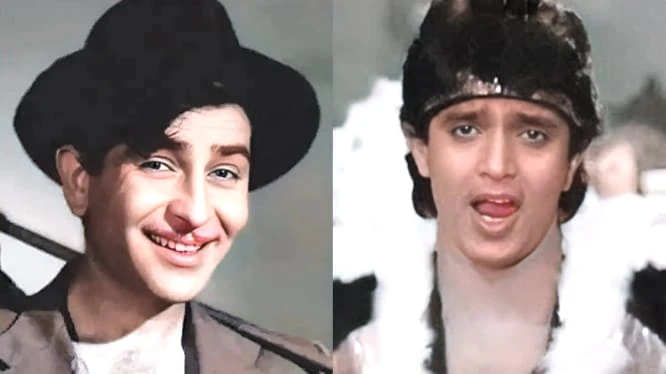
Bollywood has always enjoyed a massive fan following in India, but its popularity once extended far beyond the country’s borders. During the 1950s, Indian films became a sensation in the Soviet Union, turning actors like Raj Kapoor into international stars. Songs such as Awaara Hoon and Mera Joota Hai Japani became familiar to audiences who did not even understand Hindi. Decades later, Mithun Chakraborty’s Disco Dancer created another wave of madness among Soviet audiences. But what made Indian cinema so popular in a country thousands of kilometres away? The answer lies in a fascinating mix of politics, culture, economics and the universal appeal of Bollywood storytelling.
Why Did Bollywood Become Popular in the Soviet Union in the 1950s?
The popularity of Indian cinema in the Soviet Union was not simply a result of entertaining films. The political and cultural atmosphere of the time played a major role.
Following the death of Joseph Stalin in 1953, the Soviet Union entered a period of cultural relaxation commonly known as the Khrushchev Thaw. Audiences were gradually exposed to a wider range of cultural experiences, but domestic cinema still operated within strict ideological boundaries.
At the same time, Hollywood films had limited access to Soviet theatres because of political tensions between the communist Soviet Union and the capitalist West. This created an opportunity for films from countries that maintained friendly relations with Moscow.
India, which had recently gained independence from British rule, enjoyed warm diplomatic ties with the Soviet Union under Prime Minister Jawaharlal Nehru. Its non-aligned foreign policy also made cultural exchange easier.
Indian films offered something that Soviet audiences were eager to experience: romance, music, family drama, comedy and emotionally engaging stories. Their themes of social inequality, poverty and ordinary people fighting injustice also resonated with the socialist values promoted in the Soviet Union.
Raj Kapoor, Nargis and the Films That Won Soviet Hearts
Some of the biggest Indian films of that era became enormous hits in Soviet theatres. Among them, Raj Kapoor’s Awaara played a particularly important role in introducing Bollywood to Soviet audiences.
Released in 1951, the film became a major success when it reached Soviet audiences in the mid-1950s. Its story of a poor young man struggling against social inequality struck a chord with viewers. Raj Kapoor’s character, his emotional performance and the film’s music made a lasting impression. The song Awaara Hoon became especially popular, turning into something of a cultural phenomenon.
Raj Kapoor and Nargis became familiar faces to Soviet moviegoers. Their popularity was so extraordinary that Kapoor was treated almost like a superstar whenever he visited the country.
Another film that strengthened this connection was Shree 420 (1955). Its working-class hero and memorable songs, particularly Mera Joota Hai Japani, connected with audiences. The song’s playful reference to different countries and its message of pride in one’s identity made it particularly memorable.
Other Indian films also found enthusiastic audiences:
- Do Bigha Zamin (1953): Balraj Sahni’s powerful portrayal of a farmer struggling against poverty and exploitation appealed to audiences who understood the hardships of ordinary working people.
- Seeta Aur Geeta (1972): Hema Malini and Dharmendra’s entertaining comedy, energetic performances and colourful musical sequences made the film popular.
- Disco Dancer (1982): Mithun Chakraborty created a different kind of craze in the 1980s, introducing Soviet audiences to Bollywood’s disco era.
How Disco Dancer Turned Mithun Chakraborty Into a Soviet Sensation
If Raj Kapoor introduced Soviet audiences to the emotional world of Indian cinema, Mithun Chakraborty brought them the excitement of Bollywood’s disco era.
Disco Dancer, released in India in 1982 and reaching Soviet cinemas in 1984, became an extraordinary success. Its combination of music, dance, colourful costumes and an underdog story proved irresistible to audiences.
The song Jimmy Jimmy Aaja Aaja became particularly popular, with young people embracing its catchy rhythm and dance moves. The film reportedly sold around 120 million tickets in the Soviet Union, including repeat screenings, although historical box office estimates vary.
Mithun’s popularity was so significant that he became one of the most recognisable Indian stars in the country. His success also demonstrated that Bollywood could appeal to Soviet audiences through more than just social dramas and emotional storytelling. It could deliver glamour, pop culture and pure entertainment too.
Why Did Soviet Audiences Connect So Deeply With Indian Films?
The connection between Indian cinema and Soviet audiences went beyond diplomatic relations or the limited availability of Hollywood films. There were also emotional and cultural reasons behind its popularity.
Both India and the Soviet Union had experienced enormous social and historical upheavals. Indian audiences were familiar with stories about poverty, family struggles, sacrifice and the fight for a better life. Soviet viewers could relate to many of these themes as well.
Bollywood films often presented ordinary people fighting injustice, challenging powerful individuals and eventually finding hope. These narratives were easy to understand even when viewers did not speak the language.
Music played another important role. Indian films were packed with songs, dance sequences and expressive performances. Even without understanding every dialogue, audiences could follow the emotions through the music and visuals.
There was also an element of escapism. Indian cinema offered colourful costumes, romance, humour and happy endings, providing a welcome contrast to the more restrained storytelling audiences often encountered in domestic cinema.
Why Did Bollywood’s Popularity Decline After the Soviet Union Collapsed?
The golden period of Indian cinema in the Soviet Union gradually came to an end during the late 1980s and early 1990s.
The collapse of the Soviet Union in 1991 transformed the country’s political and economic structure. Its state-controlled film distribution network also broke down, changing how international movies reached theatres.
At the same time, Western films that had previously faced significant restrictions became more widely available. Hollywood productions brought a different kind of cinematic spectacle, attracting audiences who were eager to explore new entertainment options.
Bollywood was also changing. Indian films increasingly focused on wealthy families, overseas locations and NRI romances. Although these movies found huge audiences in India and among the Indian diaspora, their themes did not always connect with Russian viewers in the same way as the earlier stories of ordinary people and social struggles.
As a result, Indian cinema lost some of its mainstream dominance in Russia, although the affection for its classic films and stars never completely disappeared.
Also Read: The Vvaan Part 2 Announced! Will Sidharth Malhotra and Tamannaah Bhatia Return for the Sequel?
Is Bollywood Becoming Popular in Russia Again?
Interestingly, Bollywood is once again finding opportunities in the Russian entertainment market.
The departure or reduced presence of several major Western film studios following geopolitical developments has created space for alternative international cinema. Indian films have an opportunity to reach Russian audiences through theatrical releases, television and digital platforms.
There is also renewed interest in bringing Indian productions to Russian locations. The country’s landscapes, cities and snow-covered destinations have attracted Indian filmmakers, with films such as Pathaan and Tiger 3 featuring sequences shot in Russia.
Modern Russian audiences are not necessarily watching Bollywood for the same reasons as their parents and grandparents. Older viewers often associate Indian cinema with nostalgia, Raj Kapoor and Mithun Chakraborty, while younger audiences may be more interested in action spectacles, fantasy films and energetic musical sequences.
The continued presence of Indian films on Russian television and at cultural events also helps maintain that connection.
From Raj Kapoor to Mithun Chakraborty: Bollywood’s Russian Connection Lives On
The relationship between Bollywood and Soviet audiences remains one of the most fascinating stories in international cinema. What began through diplomatic friendship and cultural exchange eventually developed into a genuine love for Indian actors, songs and storytelling.
Raj Kapoor became a symbol of that connection in the 1950s, while Mithun Chakraborty carried it into a new generation with Disco Dancer. Even after the Soviet Union disappeared, their popularity continued to be remembered.
Today, Indian cinema is exploring the Russian market in a very different entertainment landscape. Whether through big-budget action films, television broadcasts or cultural collaborations, Bollywood continues to have an audience there.

